Customers expect furniture that is comfortable and has durable, high-quality finishes. But, as regulations demand strict safety requirements, the blend between stylish comfort and compliant components can become difficult.
Strength and load-bearing testing is an essential part of this process, but the real hurdle is the current market is flooded with commercial interior solutions that are built as monolithic, single-use items.
In any active commercial environment, furniture is subject to constant pressure. The general wear and tear is accelerated, and just one chipped corner or a simple fabric stain can often lead to the entire unit needing to be replaced.
RED designs furniture as an assembly of parts rather than a single object to give commercial spaces the flexibility in their space maintenance. See how our approach gives facilities managers the tools to keep their pieces in perfect condition without the cost or headache of a full replacement…
Why lifecycle thinking matters in commercial interiors
Furniture designed without its lifecycle in mind is a functional failure.
When you consider the true cost of commercial furniture goes beyond the initial purchase price, this lack of flexibility becomes a costly concern. When a commercial space purchases furniture, the investment includes maintenance, cleaning and the eventual cost of disposal or replacement. But, if the furniture is designed without a view toward its lifecycle, minor aesthetic damage can quickly rack up costs.
In a manufacturing context, the savings found in cheaper, fixed-unit construction is usually lost during the first significant maintenance event and can cause one of three distinct financial pressures:
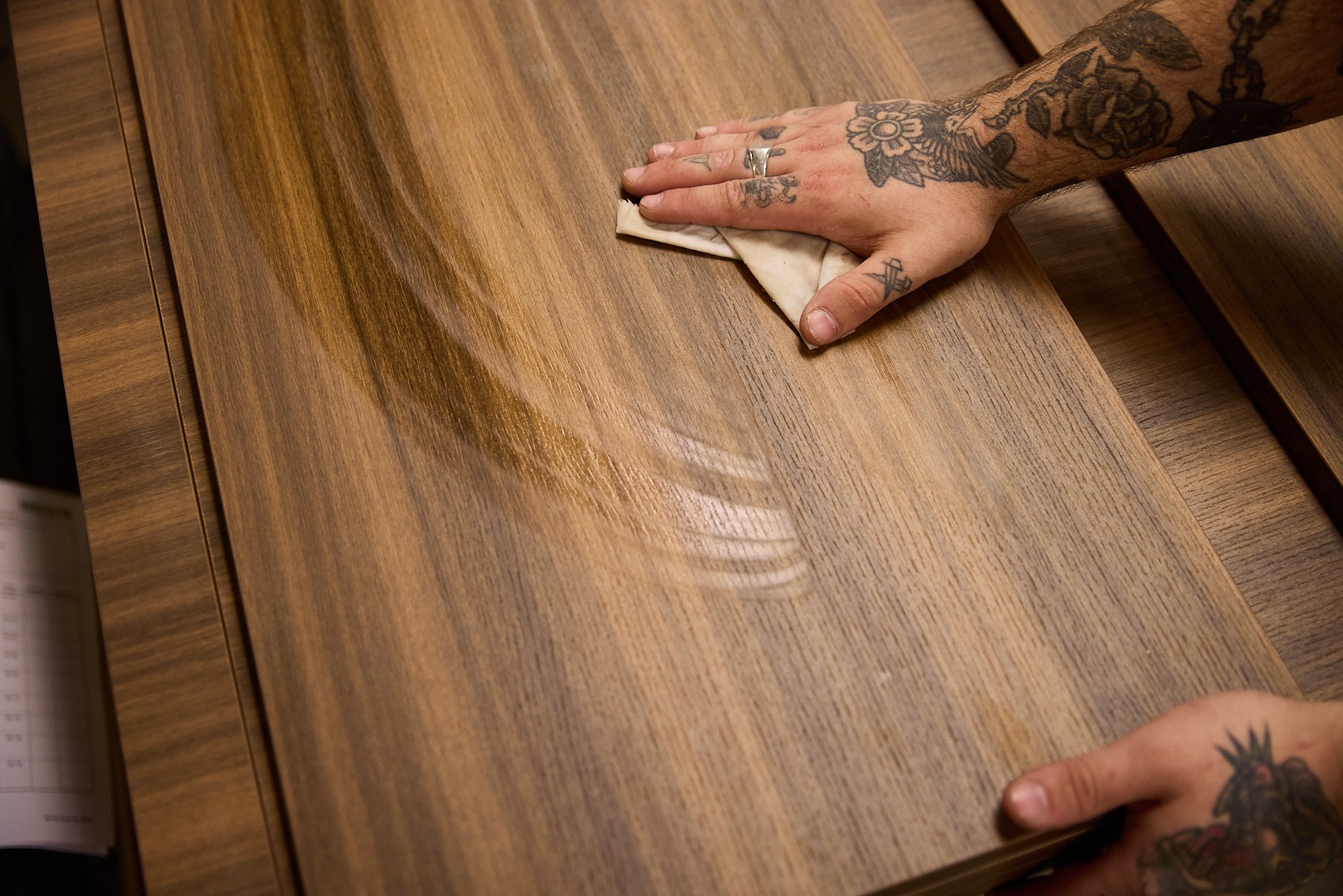
The Repair Gap: In standard ‘fixed’ construction, minor aesthetic damage often requires specialist on-site remedial work or full unit replacement. With a lifecycle-led approach, this is reduced to a simple component swap, such as a clip-on fascia or edge trim, that takes minutes rather than days.
Operational Downtime: Replacing fixed furniture is a construction activity. It involves dust, noise, and often the closure of a work area. Lifecycle-led furniture is designed for “dry” assembly, meaning repairs happen out of hours with basic tools, keeping the business operational.
Asset Depreciation: Fixed furniture will either become waste or is functional enough to be adapted as it deteriorates. Modular, repairable furniture can be flexible for periodic refreshes, extending the life of the structural core and protecting the initial capital investment.
If a bespoke service counter is built as one fixed, glued unit, a deep scratch on the front fascia cannot be easily rectified. The result is a choice between living with a degraded brand image or paying for a complete new installation, and neither are great options for businesses who have better places to invest in their growth.
Designing for maintenance and repair gives commercial spaces the space to protect their initial investments, while keeping the interior looking fresh, clean, and compliant.
Engineering for longevity and adaptation
Having peace of mind that a furniture investment has longevity is important from a business lens, but it should also translate into the day-to-day use of the pieces. When modular commercial furniture is put into practice, staff are able to work with the pieces with little, to no friction. This smooths over maintenance and speeds up the process to keep commercial spaces looking sleek and premium. There are two key ways commercial furniture lifecycle design delivers functional flexibility on a daily basis…
Designing for disassembly and movement
Commercial layouts are rarely permanent. Departments grow and leases end, but commercial furniture that relies on permanent adhesives is often destroyed during a move. Instead of losing huge amounts of valuable assets, modular commercial furniture uses mechanical fixings, such as cam-and-pin connectors or threaded inserts. These elements give the furniture flexibility, allowing them to be taken apart, moved around, and reassembled without losing structural integrity. This one change may only be utilised a few times a season, but every time a piece designed for longevity is adapted, commercial spaces save hundreds, if not thousands, in full furniture replacements.
Component-level repair and refurbishment
Much like disassembly and movement functionality, the flexibility of the modular commercial furniture is a fundamental part of its ability to be easily repaired. In a well-designed unit, upholstery shells separate from frames and worktops from gables. This adaptability allows for surgical, low-impact maintenance where minor issues are fixed on site and significant refurbishments happen off site, all while the structural core remains in place.
The day-to-day performance
While modular commercial furniture is designed for ease of use, the value of lifecycle design is most visible in how furniture performs under the pressure of daily use. While being repairable is a key part of protecting your investment, being maintainable so they don’t need repairing is just as important…
Maintenance-friendly design details
Customers will spot chipped corners and worn fabric and immediately attribute it to a low-quality brand. This is a direct reflection of your business, and as your commercial space is always going to cause wear and tear, your furniture has to be durable. The much-needed longevity is found in the small interfaces. For example, RED developed furniture for high-traffic zones that benefit from stainless steel kick plates and radius edges that resist chipping from heavy cleaning equipment. With focused commercial furniture lifecycle design, adequate clearance under seating and behind counters to prevent the build-up of debris keeps the space hygienic and easy to manage.
Documentation and spares strategy
A design for repair only works if the facilities team understands the assembly. Manufacturers should provide comprehensive parts lists, finish schedules, and instructions for disassembly. When RED develops new modular commercial furniture, we create comprehensive documentation that is combined with a reliable supply of matching spares so one single damaged component does not force an entire unit into a skip.
Lifecycle verification: Questions for procurement
During the specification phase, you can protect your investment and avoid ‘single-use’ furniture traps with these five verification points:
Identify sacrificial elements: Confirm that high-wear parts like edge trims and fabrics can be replaced independently without affecting the main structure.
Verify mechanical fixings: Ensure the design uses bolts, cam-and-pin connectors, or threaded inserts rather than permanent adhesives for all structural joints.
Confirm spares availability: Ask if the manufacturer maintains specification records to provide exact matching panels and hardware years after installation.
Check cleaning clearances: Ensure there is sufficient access for industrial floor cleaning equipment and that finishes are compatible with site chemicals.
Request a maintenance manual: Secure a document that explicitly outlines material types, fixing locations, and step-by-step repair procedures.
RED: Value through durability
Commercial furniture lifecycle design is focused on saving your business money. Valuing maintenance, repair and replacement is a practical manufacturing discipline that directly translates into commercial benefits, beyond net profits. It allows estates leads and facilities managers to maintain a high-quality environment while controlling long-term costs. Move away from disposable interior solutions and design your commercial space with modular, repairable assemblies to make your furniture an asset, rather than an escalating expense.
To see how lifecycle-led design is applied in real-world settings, explore our Bespoke Furniture Manufacturing for Awkward Spaces: Complete Guide or contact the RED manufacturing team to discuss how we can build longevity into your next commercial project.
Skip the skip and transition to a lifecycle-led design approach for your commercial furniture.