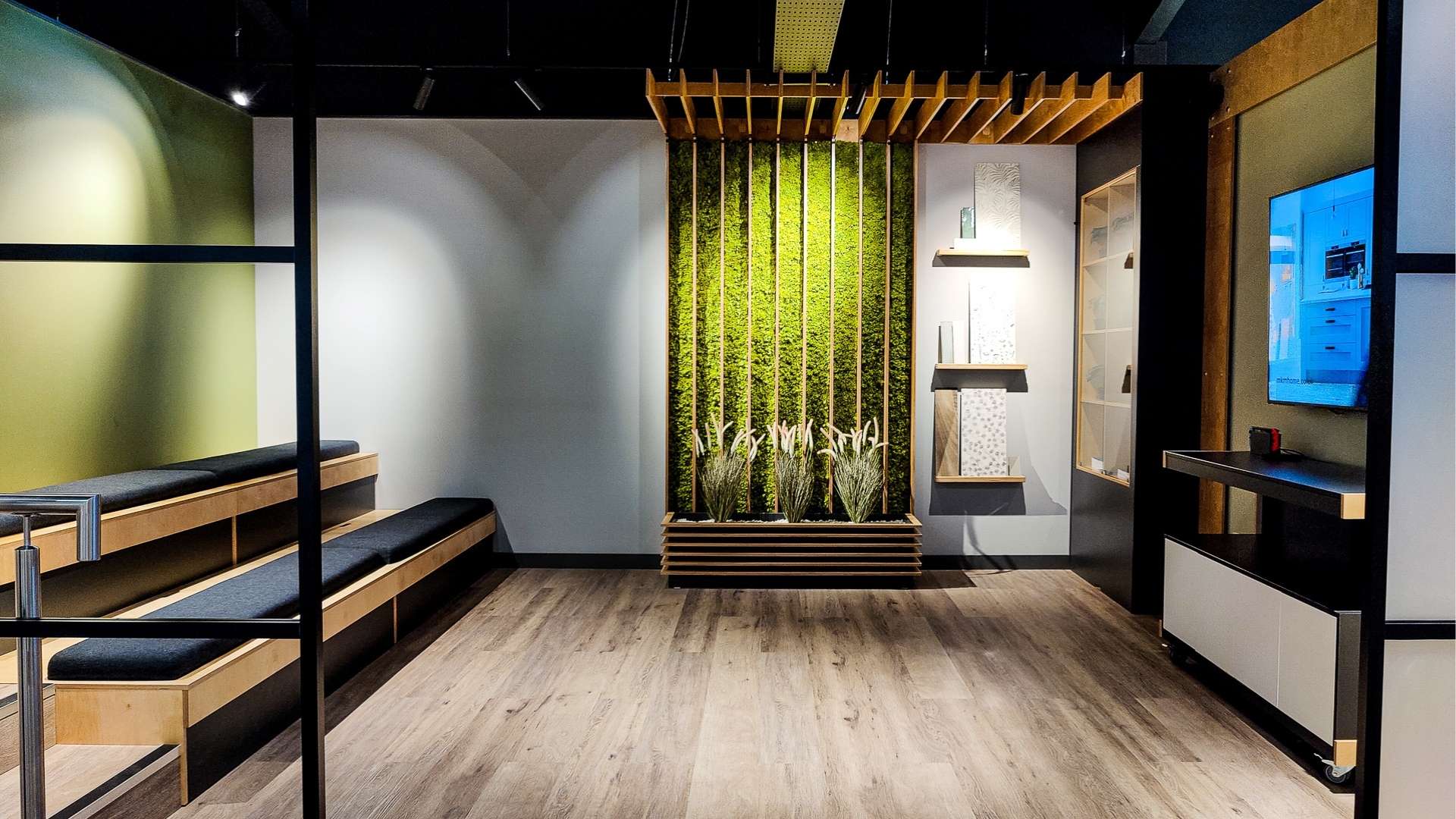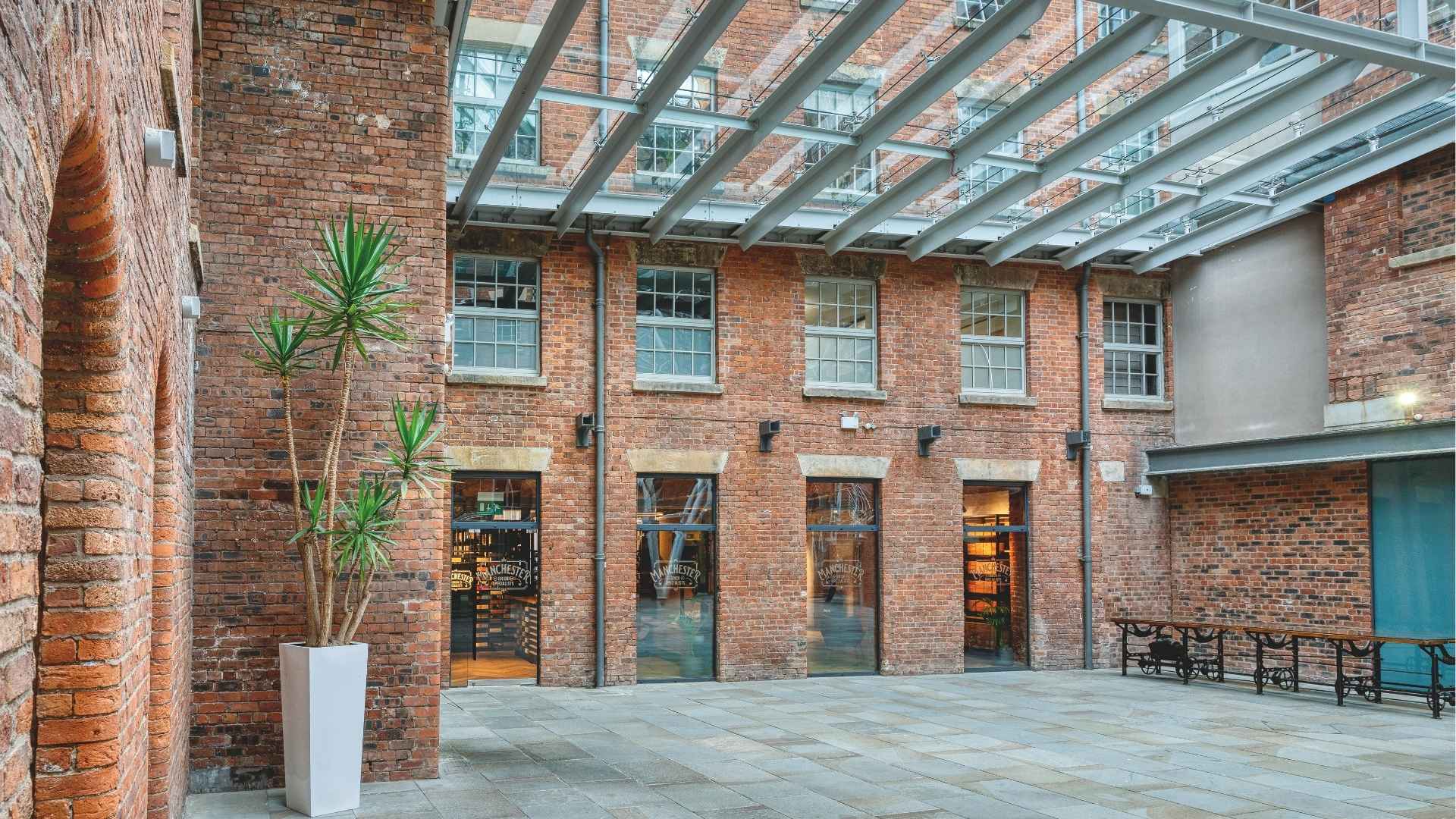
A commercial fit-out is the process of turning an existing building into a functioning environment for people to work, learn, trade or deliver services. The process is similar to constructing a new space entirely, but the risks to the project’s success are fundamentally different.
The planning phase is vital to avoiding disruption. Anticipating issues due to poor workmanship is common, but in reality they stem from planning decisions that were deferred, made in isolation, or based on assumptions rather than data.
In short: commercial fit-out planning that works requires a detail-oriented approach based on data and real-world constraints.
Commercial fit-outs take place inside live, constrained environments, where access is limited, services are active and multiple stakeholders are involved. As a result, planning failures in these conditions surface quickly and solutions have to be found quickly and under high-pressure environments, timelines, and budgets.
These high-stake endings to commercial fit-out projects put the emphasis on accurate and detailed planning. Compared to general construction, it has to account for what already exists and any drawings and data must reflect the reality of the space you’re working within.
Planning is only successful when it carefully balances ambition with constraints and design with deliverability.
This guide explains how commercial fit-out planning works in practice. It focuses on the decisions that reduce risk, protect programme certainty and limit disruption across commercial, education, healthcare and public sector environments.
Read on and understand how effective planning resolves constraints early and carries those decisions consistently through delivery…
Understanding Commercial Fit-Out Constraints
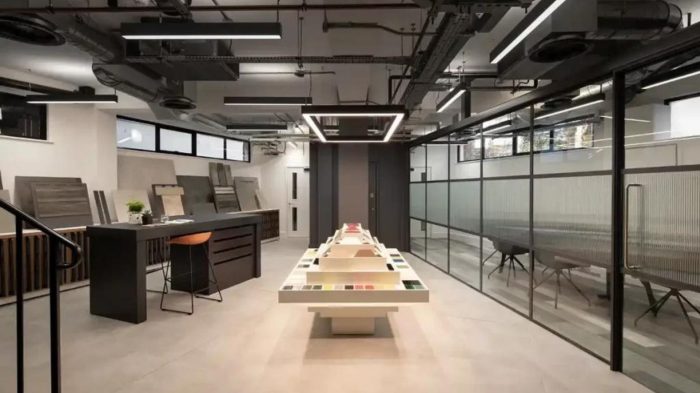
Commercial fit-out constraints are not exceptions to be managed later in the installation process. The occupants, live services, restricted access, and equipment requirements bring about conditions that can be navigated if considered earlier on.
Commercial-fit out planning that assumes uninterrupted working or ideal access tends to transfer risk into delivery, where it is harder to control and results are compromised. Plan ahead and the project will still be complex but the decisions will have assigned ownership and escalation routes can be agreed ahead of time, preventing work from stalling when pressure is highest.
Effective commercial fit-out planning accepts these constraints as the starting point. It does not attempt to remove them, but builds scope, programmes and sequences that work within them.
When developing your project, understand the difference between an idealised plan and a workable one that tackles the following issues honestly, and addresses them from the outset.
Occupied buildings and live environments
Occupied environments introduce practical limitations that do not appear on drawings.
Noise, dust, vibration and restricted access all affect how work can be carried out. This is especially true in healthcare, education and public-sector settings, where safeguarding, infection control and operational continuity impose further constraints on working hours, routes and methods.
Commercial fit-out planning that assumes unrestricted access or continuous working quickly breaks down once work begins and leaves your project vulnerable to ‘quick fixes’ that compromise quality.
Live services and limited shutdown windows
Live services add another layer of complexity.
Power, data, heating, ventilation and life-safety systems often need to remain operational throughout the fit-out, while shutdown windows may be limited or unavailable, and existing records are not always accurate.
When service constraints are not verified and coordinated early, assumptions made during planning tend to unravel on site, where options for resolution are limited. You may find delaying installations and delivery are your only choice, which eats into your budget and timelines almost immediately.
Programme pressure and fixed deadlines
Programme pressure compounds these challenges.
Commercial fit-outs are frequently tied to immovable deadlines such as lease expiries, academic terms or operational handovers. These fixed endpoints compress timelines and reduce tolerance for rework. Decisions deferred during planning do not disappear; they resurface during installation, where resolving them affects programme certainty and operational continuity.
Multiple stakeholders and fragmented responsibility
Multiple stakeholders further complicate delivery, and without defined ownership of decisions, the issues will drift until accountability is established. Do this early and avoid disruptive input from landlords, tenants, facilities teams, consultants, contractors and regulators.
The overlapping and competing priorities of your project and the site’s stakeholders can blur boundaries, but the planning phase can prevent this. Identify the potential concerns and resolve the fragmented responsibilities early on and the solutions will be coordinated rather than based on compromise.
Planning the Space and Scope
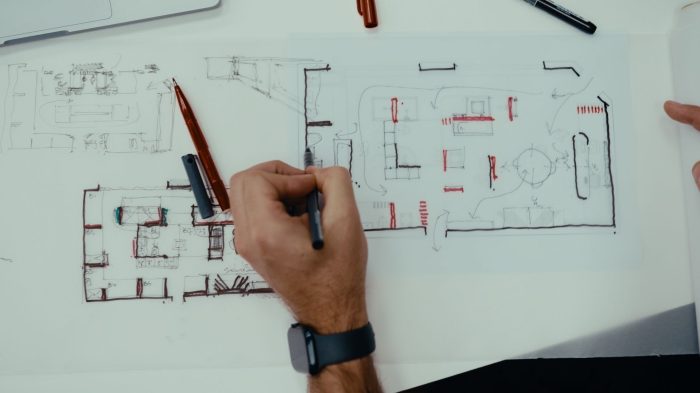
Unclear scope is one of the most common causes of disruption in commercial fit-outs. Projects that lack definition often see decisions pushed into the delivery phase, which are typically made under pressure and struggle to adapt within tight timeframes and limited accessibility.
Clear definition of space and scope is the only solution to this risk, as ambiguity at this stage rarely stays contained, instead resurfacing later down the line as coordination issues and programme delays.
Understanding existing conditions
Planning begins with an accurate understanding of existing conditions, but relying on unverified drawings introduces assumptions that are difficult to unwind once work begins.
Instead, use measured surveys to confirm floor levels, wall construction, service routes, structural elements and access constraints. This information will influence far more than the layout of the project, and gives you time to understand key aspects of the project, including how services are routed, where fixings are possible and how elements can be installed.
Missing or incorrect information at this stage often leads to late design changes or site-based workarounds, both of which place pressure on programme and cost.
How layout, services and furniture interact
At the beginning of this guide, decisions made in isolation were identified to be a common cause of project failure within commercial fit-out projects. Space planning in isolation is a direct indicator to issues arising further down the line.
The layout decisions directly affect services, furniture, circulation – key aspects of the entire fit out plan. When these elements don’t align with the layout, the changes in one area cascade into others and revised layouts begin a domino effect that is expensive to fix.
A revised layout may require service relocations, which in turn affect ceilings, flooring or fire strategy. These changes then alter installation sequencing and access requirements.
When layout, services and furniture are planned separately, conflicts tend to surface during coordination rather than design. Effective fit-out planning treats space planning as an integrated exercise and gives your project time to test interfaces and resolve concerns before work starts.
Defining scope and responsibility
Scope definition outlines deliverables and where the responsibility lies for each element. Phrases such as “by others” or “subject to survey” may be necessary in limited cases, but overuse defers decisions rather than resolving them, creating gaps that have to be closed quickly during delivery.
Without clear ownership, issues circulate between parties until they reach the site. Then decisions are made under pressure, leaving your project littered with variations, delays or reduced quality, particularly in live environments where flexibility is limited.
Effective fit-out planning defines scope in practical terms. It identifies what is included, what interfaces with existing elements and when decisions must be fixed so programmes can be built around confirmed information and are more resilient and easier to control as delivery progresses.
Coordination and Programme Control

Coordination is the backbone of fit-out planning. Unlike new construction, fit-outs involve multiple trades working in confined spaces with limited tolerance for overlap.
Furniture installation depends on completed floors, walls and services. Services installations often require early access before finishes are applied. Deliveries must align with access availability and storage constraints. Without coordinated sequencing, trades compete for space rather than progressing logically.
Phasing is frequently required, particularly in occupied buildings. Areas may need to remain operational while adjacent zones are refurbished. This demands careful sequencing, temporary measures and clear handover points. Planning must account for partial completions, protection of finished areas and reoccupation schedules.
Programme control relies on identifying dependencies and critical paths. Understanding which activities constrain others allows planners to prioritise decisions and protect milestones. In fit-outs, resequencing work often carries higher cost and disruption than extending timelines, making proactive planning essential.
Information coordination is equally important. Drawings, specifications and schedules must align across disciplines. Inconsistencies between documents are a common cause of on-site confusion and rework. Controlled issue and version management reduce ambiguity and support predictable delivery.
Compliance and Regulation
Compliance requirements for commercial fit-outs directly influence how space is planned, specified and delivered. Compliance is not a parallel process; it shapes layout decisions, material selection and construction methods from the outset, particularly in regulated, occupied or high-use environments.
Fire safety is a fundamental consideration in fit-out planning. During early design and coordination, compartmentation strategies, escape routes, fire-rated elements and service penetrations must be resolved in line with fire safety laws, building regulations and fire strategy requirements.
Addressing fire performance early avoids late-stage redesign or substitutions, where options are limited and programme impact is more likely.
Durability and performance requirements are equally influential. Fit-outs in education, healthcare and public buildings are subject to high footfall, frequent cleaning and regular reconfiguration. Without appropriate materials, finishes and construction detailing, wear appears quickly and operational performance is compromised.
Designing for durability at the planning stage allows fit-out elements to withstand use without reliance on reactive repairs or reinforcement later.
Accessibility requirements shape spatial planning decisions. Clearances, reach ranges, door widths and circulation routes must be resolved alongside layout development, as they directly affect room sizes, furniture positioning and service coordination.
Addressing accessibility early ensures spaces can be used safely and comfortably by all users, without adjustments being forced on site when flexibility is limited.
Building regulations introduce further considerations around structure, acoustics, ventilation and thermal performance. Even modest alterations can trigger compliance obligations.
Early identification allows these requirements to be integrated into layouts and specifications, rather than retrofitted under programme pressure.
Site-specific and sector-specific constraints add further layers. Healthcare environments require infection control considerations and cleanable finishes. Education projects often demand robustness alongside restricted installation windows. Public sector work may introduce framework compliance and documentation requirements that influence both planning and delivery.
Compliance must shape fit-out planning from the outset. It cannot be added at the end of installation or resolved through ad-hoc changes on site.
When regulatory, performance and user requirements are embedded early, commercial fit-outs are easier to coordinate, simpler to deliver and more reliable throughout their operational life.
Different Fit-Out Project Types

Fit-out planning priorities vary depending on project context. Identify the distinction in a project and develop the planning phase using this understanding for a project plan that is targeted appropriately.
| Project Type | Primary planning focus | Key considerations |
|---|---|---|
| Cat A fit-outs | Base-build readiness and future flexibility | Coordination of services, compliance with building regulations, clear scope boundaries and defined handover points for incoming occupiers. |
| Cat B fit-outs | Operational readiness within fixed programmes | Integration of layouts, furniture, finishes and technology, often against immovable opening dates and compressed timelines. |
| Refurbishments | Managing existing conditions and disruption | Accurate surveys, validation of legacy services and careful phasing to minimise impact on occupants and operations. |
| Phased upgrades | Sequencing work around live use | Balancing progress with continuity, safety and access restrictions while maintaining operational performance. |
| Multi-site rollouts | Consistency and repeatability at scale | Standardisation of layouts and specifications, robust documentation and coordinated logistics across multiple locations. |
From Design to Reality

The transition from planning to delivery is where the quality of fit-out planning becomes visible. Issues that appear on site often originate in unresolved decisions or assumptions carried forward from earlier stages.
Common planning failures include incomplete information, undefined interfaces and optimistic sequencing. These issues rarely remain theoretical; they manifest as clashes, delays and variations during installation.
Effective planning invests effort early to resolve constraints, fix decisions and align documentation. This reduces reliance on reactive problem-solving during delivery, where options are limited and changes are disruptive.
Your project will never benefit from quick, slap-dash decisions made under serious stress. Instead, fit-out success depends on preventing obstacles arising on site through disciplined planning and coordination.
Commercial fit-out planning that works

Commercial fit-out success is determined long before work starts on site.
In occupied, constrained and regulated environments, planning pre-determines success as the mechanism that controls risk, protects programme certainty and limits disruption.
RED approaches fit-out planning as a controlled, coordinated process that aligns space, scope and delivery. Plan your project to work in practice by focusing on constraints, coordination and compliance rather than idealised processes to approach the deadline with reality managed rather than ignored.
Readers looking to explore related topics can continue into articles covering phased installations, compliance-led planning and how fit-out programmes integrate with bespoke manufacturing and furniture delivery.
Related commercial fit-out guides
If you’re looking to explore related topics, you can find more information in our articles to understand how to manage awkward commercial spaces, how regulations and space constraints impact planning and how bespoke manufacture integrates with wider commercial planning programmes.
Explore related commercial fit-out guides or view how bespoke furniture integrates into commercial fit-out planning.