A drawing that looks ready to issue can still hide costly problems beneath the surface. Small details like substrate changes, finish transitions, or installation tolerances often slip through until manufacturing starts and then delays hit. At RED Manufacturing, our integrated design-to-manufacture process puts manufacturing feasibility front and centre early on, so your commercial fit-out moves smoothly from drawing board to live-site installation without costly rework. Send your drawings for a no-obligation 48-hour feasibility review to keep your programme on track. For more insights, explore this resource.
Unveiling Design Intent Gaps
Many project leads find themselves caught in the trap of thinking a drawing means the job is done. But have you considered what’s beneath the surface? These drawings might look complete, yet they often hide gaps between design intent and practical execution. Small omissions are common, like ignoring substrate changes or finish transitions. Such details, once overlooked, can lead to major setbacks.
To ensure your project doesn’t stall, it’s crucial to identify these hidden gaps early. When you address these gaps upfront, you prevent costly issues during the manufacturing phase. Remember, a drawing is only as good as the reality it reflects.
Where Drawing Meets Reality
In the world of commercial fit-outs, the transition from paper to reality can be jarring. Have you ever seen a project come to a standstill because the drawing didn’t account for real-world variables? The reality is, installation tolerances and manufacturing feasibility must align with design. Ignoring this alignment can result in delays and rework, ultimately impacting your schedule.
To avoid these pitfalls, it’s essential to blend design with practical considerations. This approach ensures your fit-out is not only visually appealing but also functionally sound. By focusing on both design and execution, you set the stage for a successful project completion.
The Role of In-House Manufacturing
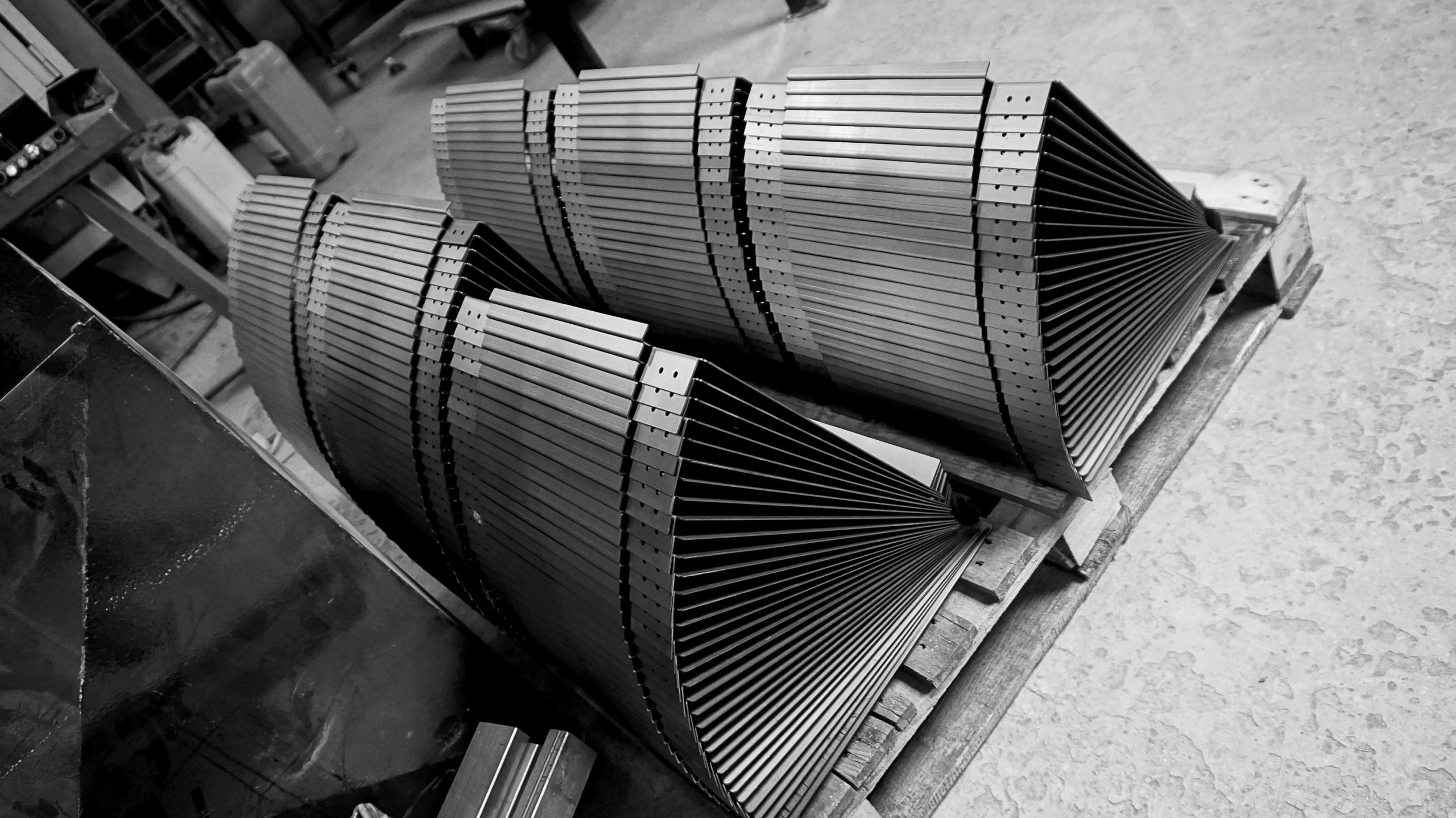
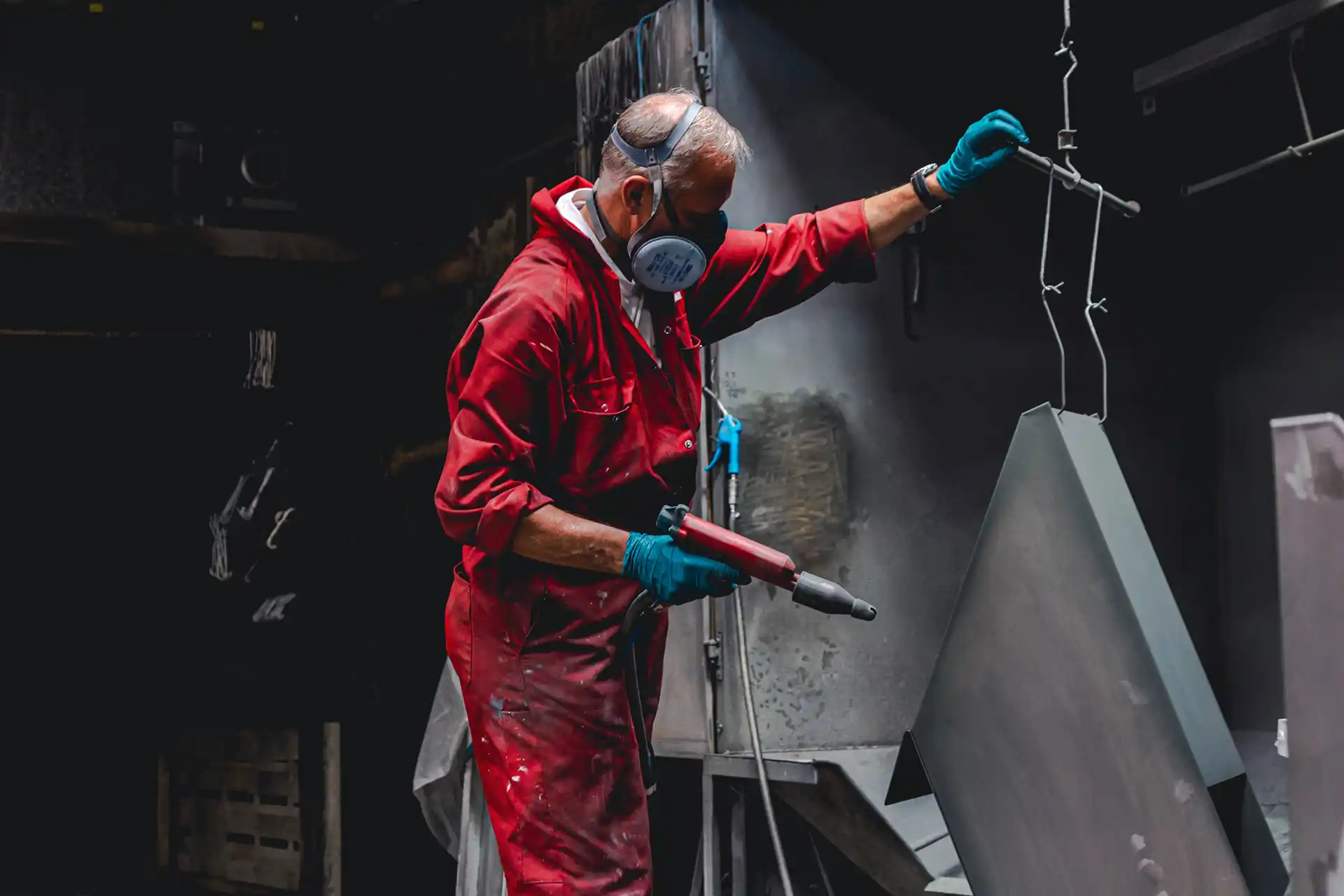
Why should you care about in-house manufacturing? Simply put, it brings control and quality assurance under one roof. This approach eliminates the back-and-forth delays often seen with external suppliers. In-house teams can quickly address issues as they arise, ensuring a smooth transition from design to production.
By integrating design and manufacturing, you gain the flexibility to adapt to site-specific conditions. This means your fit-out aligns perfectly with the space, reducing the need for last-minute changes. The result? A project that stays on track and meets your exact specifications.
Ensuring Substrate Compatibility
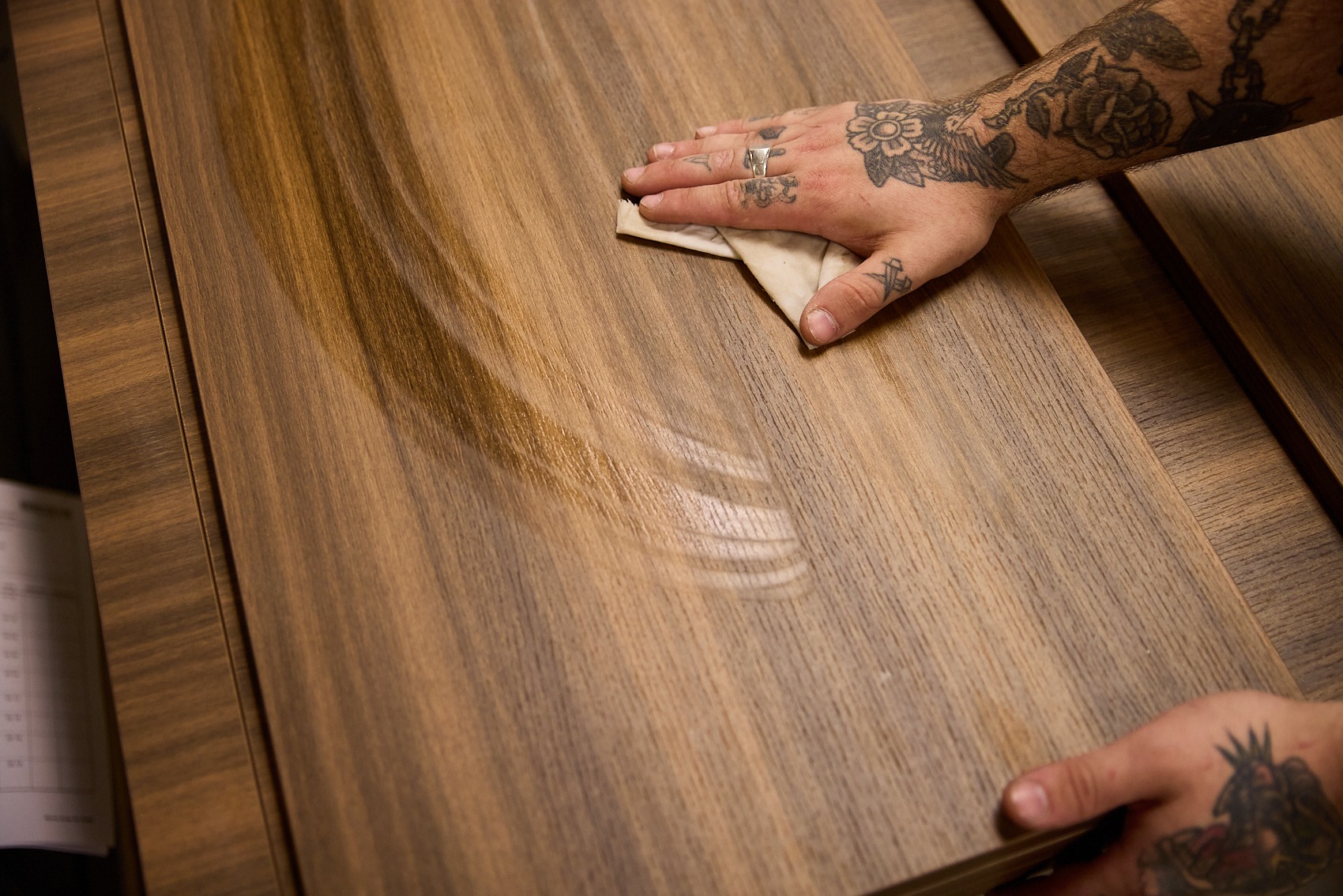
Substrate compatibility is a critical factor in any fit-out project. Have you ever considered how different materials might interact? Ensuring compatibility between substrates and finishes is vital for project success. When materials are mismatched, it can lead to peeling, cracking, or other failures.
By evaluating substrate compatibility early in the process, you safeguard against these issues. This proactive approach not only protects your investment but also ensures a seamless installation. With the right checks in place, your project is poised for success from the start.
Value Engineering without Compromise
Value engineering is about achieving more with less, but not at the expense of quality. How can you ensure cost-effectiveness without compromising on standards? By integrating solutions early, you can identify cost-saving opportunities that align with your project goals. This process involves reviewing materials, construction methods, and installation techniques to find efficiencies.
The key is to maintain quality while reducing unnecessary expenses. By doing so, you not only save money but also enhance the overall value of the project. This strategic approach ensures that every decision benefits both your budget and the outcome.
Benefits of a Single Contract Approach
A single contract approach is the cornerstone of project accountability. Have you faced challenges juggling multiple suppliers and contracts? This approach centralises responsibility, streamlining the process from start to finish. With one team managing design, manufacturing, and installation, you eliminate the fragmentation that often leads to delays.
This integrated method ensures all aspects of the project work in harmony. The result is a seamless transition from design to live-site installation. By choosing a single contract approach, you secure programme certainty, reduce rework, and ensure your project is delivered as promised.
Frequently Asked Questions
Why is it important to check for manufacturing feasibility early in a project?
Checking for manufacturing feasibility early prevents costly delays and rework by identifying potential issues with substrates, finishes, and tolerances before production begins.
How does in-house manufacturing benefit a commercial fit-out project?
In-house manufacturing provides greater control and quality assurance, allowing for quick adjustments and ensuring the fit-out aligns with site-specific conditions, reducing delays.
What are the advantages of a single contract approach in fit-out projects?
A single contract approach centralises responsibility, streamlines the process, and eliminates fragmentation, ensuring seamless coordination from design to installation.
How does substrate compatibility affect a fit-out project?
Substrate compatibility ensures that materials interact correctly, preventing issues like peeling or cracking, and ensuring a durable and high-quality installation.
What is value engineering, and how does it apply to fit-out projects?
Value engineering is about finding cost-saving opportunities without compromising quality. It involves reviewing materials and methods to enhance project value and efficiency.